Interested in slimming belts? If so, you should know that there are actually several families of slimming belts on the market. These include sweating belts, electrostimulation belts and low-frequency magnetic field slimming belts. Each of these belts pursues different objectives (e.g.: water loss, muscle gain, fat loss) and may present more or less significant contraindications… Hence the importance of carefully assessing your needs and learning about their different modes of operation before making your choice!
Understand your objective before you buy
The first thing to do when choosing your slimming belt: ask yourself what results you really want to achieve!
If you want to “lose fast on the scales
There are many ways to lose weight… But sweating is one of the quickest. The principle? Make you sweat more to eliminate some of the water stored in your body, via your sweat. The weight loss seen on the scale is therefore solely linked to this water loss. Visually, you may also look less bloated… However, this is only temporary: the situation will return to “normal” as soon as your body is well hydrated again.
So the question is: is this really your goal? Are you simply looking to fit back into your favorite dress or tuxedo, for your cousin’s (very near) wedding for example? Especially when you know that “sweating weight loss” is far from harmless: we talk about the risks and precautions to be taken a little further down the article.
If you want a more toned stomach
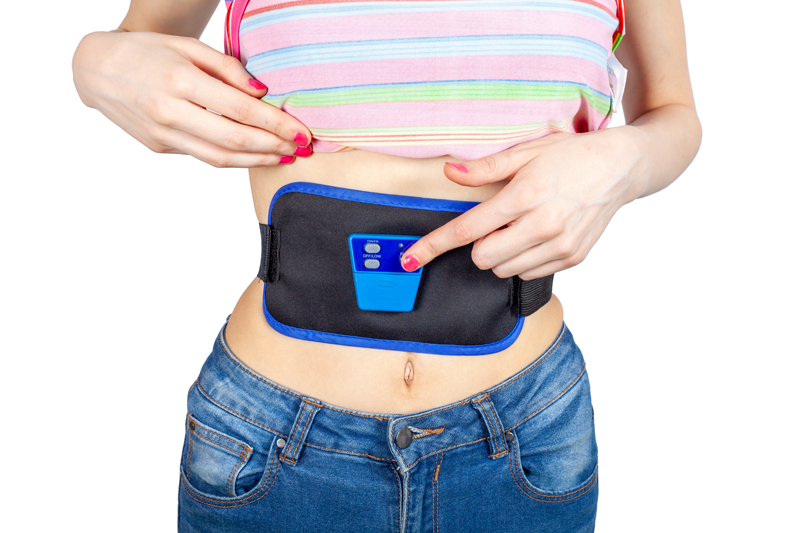
Is your main objective to achieve a flatter, firmer stomach? In such cases, electrostimulation can provide some support: it’s also known as Electro-Myo-Stimulation (EMS). In practical terms, small electrodes send light electrical impulses to the abdominal muscles. The aim is to trigger contraction of the muscles of the abdominal belt (e.g. internal obliques, external obliques, transverse muscle, etc.) to strengthen them and restore a more toned tummy… However, bear in mind that :
the effects are only temporary. Muscles need regular maintenance, whether you’ve strengthened them “the old-fashioned way” – i.e. through exercise – or via EMS ;
electrostimulation sessions are no substitute for regular physical activity. Especially when it comes to heart development and physical endurance! Not to mention the other benefits of sport, such as stress reduction and prevention of cardiovascular disease… In fact, if you’re feeling sporty, don’t hesitate to try out these exercises for a flat stomach;
Here again, there are some contraindications to using this technology, which we’ll look at below.
Good to know: EMS should not be confused with NMES (neuromuscular electrical stimulation). While the former is used to shape abs more quickly, NMES involves genuine medical devices, used for muscular re-education and rehabilitation. Particularly after surgery!
If you’re looking to sculpt your figure WITH real, proven action
Honestly, you’re right to be cautious. In fact, some slimming belts claim to have various effects… without being backed up by solid scientific evidence! So take the time to check:
-
whether studies corroborate – or not – the effectiveness of this slimming abdominal belt. Always choose devices that have been tested on humans (clinical studies), rather than those that have only been tested in laboratories. Ideally, these studies should also be conducted by independent organizations ;
-
the effects actually observed. Reduced waistline? Firmer skin ? Could a reduction in abdominal fat really be observed through imaging? How quickly and under what conditions were these results observed? Beware: sometimes, “ideal” conditions are very difficult to reproduce at home.
Important to remember: a slimming belt alone cannot guarantee a lasting reduction in fat reserves. Regardless of the technology used! Lasting results can only be achieved with a balanced diet and regular exercise.
The 3 main belt families
Sweat belts
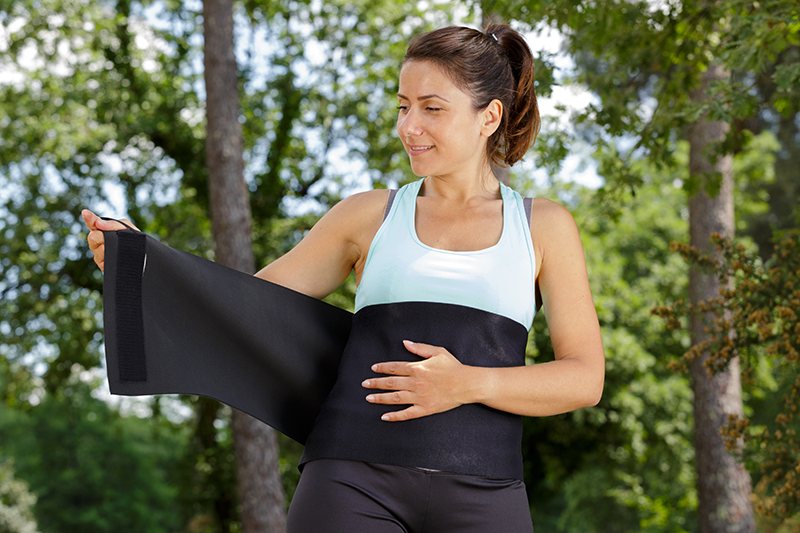
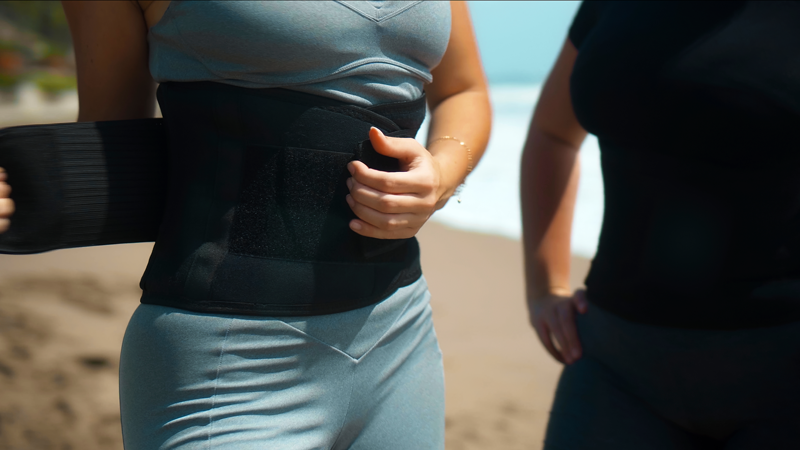
As its name suggests, the sweat belt is designed to increase perspiration. Hence temporary water loss! However, it has no direct impact on your adipose tissue – aka, your fat reserves – or your muscle tone. Most often, it comes in the form of a strip of neoprene fabric, a material that encourages perspiration. That said, there are also electric models, often sold under the name of “sauna belts”… But the general principle remains the same: to make you lose water and only water, by triggering ahyperthermia phenomenon (increased body heat, as with a fever, which causes the body to sweat to cool itself down).
Hyperthermia can lead to a host of problems. These range from “simple” irritation and skin dryness to a real ” heat stroke “, with nausea, dizziness, confusion, tachycardia, loss of consciousness… or worse in the most serious cases. Although it has to be said that the most extreme cases of “rapid weight loss” by dehydration are the most dramatic! Did you know, for example, that 3 young university wrestlers have died in the USA as a result of this type of program, combining :
-
reduced water intake ;
-
Intensive physical training with various neoprene garments or similar waterproof fabrics;
-
more and more saunas, steam baths and other “hot environments”.
The youngest was just 19… If you’d like to know more, the whole affair has been documented in one of the Morbidity and Mortality Weekly Reports (MMWR) from the CDC, the US public health agency.
In short: if you want to use a sweat belt, avoid “extreme programs”. Instead, make sure you’re sufficiently hydrated: you’re not supposed to lose too much water!
Electrostimulation belts

Electrostimulation (EMS) belts often promise a more toned tummy… And thanks to the electrical impulses sent to the muscles, they can indeed improve muscle tone in the abdominal muscles. But bear in mind that American health authorities (FDA) are very strict about them. For them, an EMS device can help to temporarily tone a muscle… But manufacturers are not allowed to claim that their electrostimulation belt can also help to lose weight or reduce waist circumference.
The results of clinical studies are also nuanced. In fact, in healthy people, some studies have shown no significant effect on :
weight ;
body fat ;
or overall appearance.
On the other hand, other studies show that a slight reduction in waist circumference is possible, without any reduction in subcutaneous fat. This is easily explained: a more toned muscle can “tighten” the area, resulting in a reduction in waist circumference without any real “fat melting”.
In short: EMS can be useful for firming and toning the abdominal muscles. But no, it’s not a miracle solution for eliminating your fat reserves.
Finally, like all electrical devices, electrostimulation belts require certain precautions. In particular, they are contraindicated in the event of :
wearing a pacemaker or other cardiac implant;
epilepsy;
and actual or potential pregnancy, as a precautionary measure.
Numerous pathologies (e.g. cardiac disorders, uncontrolled asthma, haemophilia, untreated diabetes, herniated discs, cancer, etc.) also require medical advice BEFORE using electrostimulation!
Low-frequency magnetic field slimming belts
These slimming belts use a low-frequency electromagnetic field to gently activate your muscular membranes. The result is increased energy consumption, aimed, among other things, at slimming your figure.
Fun Fact to know: some medical devices also use this technology to fight abdominal fat. One such device, combining low-frequency alternating electromagnetic fields and controlled micropressure, has even been the subject of a very interesting study, published in the NLM (National Library Of Medicine). In summary, this study revealed:
a “statistically significant reduction in height of more than 6 cm after 12 sessions”;
a “very significant reduction in transaminase levels and in the device’s mechanism for stimulating insensitive muscle contractions”.
And even in people who were not following a weight-loss program at the same time! In other words, this technology has proven its worth in the treatment of abdominal obesity. To find out more, take a look at the results of the ” Electromagnetic fields applied to the reduction of abdominal obesity ” study.
That said, commercial low-frequency magnetic field slimming belts are not designed to combat obesity! Rather, they are designed to :
slim your waist and hips;
tone your abs ;
and tighten your skin.
Like all other slimming belts :
They should normally be used in conjunction with a healthy lifestyle;
their results are temporary… without healthy eating and exercise habits, of course;
There are also some contraindications to be aware of, which we’ll look at below.
To find out more about low-frequency energy, discover the secrets of Biostimology®.
Buying criteria that make all the difference (checklist)
Evidence
Of course, customer testimonials and press articles are always worth consulting to get an idea. But concrete scientific evidence carries more weight when it comes to choosing your slimming belt! So make sure there’s at least one clinical study, and check carefully:
the study protocol. What is the number of participants? Presence (or absence) of a control group? Were the conditions under which the belt was used realistic (duration, frequency, daily wear)? Were the participants’ diet and physical activity monitored?
whether the measurements taken are really relevant (e.g. waist circumference measured in a standardized way, estimated body fat, etc.).
Security
Safety first: metal implants in the body (including copper IUDs), pacemakers, pregnancy, epilepsy, heart disorders, skin diseases… There are many possible contraindications, varying according to the slimming belt. Here are the main ones, but we strongly encourage you to read the manufacturer’s recommendations before taking any action. And if in doubt, seek the advice of your doctor.
Focus on medical contraindications
Remember that for belts :
-
or other cardiac implant, as well asepilepsy, are absolute contraindications. The same applies to actual or potential pregnancy, as a precautionary measure. That said, many other pathologies (e.g. cardiac disorders, uncontrolled asthma, hemophilia, untreated diabetes, herniated discs, cancer, etc.) also require medical advice BEFORE using electrostimulation;
-
Skin diseases, allergies to neoprene (or any other waterproof material used in the belt) and pregnancy (potential or proven) are all contraindications;
-
based on magnetic fields,active implants (e.g. pacemaker or cardiac defibrillator), as well as the presence of metal under the skin due to an implant or injury, represent contraindications. Here again, it’ s best to avoid this technology if you’re pregnant – or have a chance of becoming pregnant – as a precautionary measure.
But these are just the main contraindications: rely on the manufacturer’s instructions!
Read and follow the safety instructions carefully
In addition to medical contraindications, we would also like to remind you that, whatever technology you use, you really must follow the manufacturer’s instructions for use. For example:
-
no belt should be too tight. This includes sweat belts, which are supposed to have a sheathing effect under clothing (if you feel out of breath while wearing it, it’s too tight);
-
on another note, don’t apply the electrodes of an electrostimulation belt to your head just for fun(keep your slimming equipment out of reach of children). You should also avoid applying them to varicose veins, wounds, eczema patches, burns or any other skin lesions… But don’t worry too much: the manufacturer usually clearly indicates how to use them safely;
-
When it comes to the use of sweat belts, all reputable manufacturers indicate that you should drink sufficient fluids before and after use. Preferably water, as the protein shakes so dear to the hearts of athletes require extra water consumption to digest the proteins. They also recommend avoiding physical exercise in the heat… However, many people “forget” these instructions, even though the risks of severe dehydration and heat stroke are real. To give you a useful benchmark, the CDC recommends that athletes never lose more than 2-3% of their body weight through urine or perspiration. The first signs of marked dehydration (thirst, dry lips, low urine output, headaches, dizziness, fatigue) should also alert you… But if you follow the safety instructions, it shouldn’t come to that!
Bodysculptor the belt
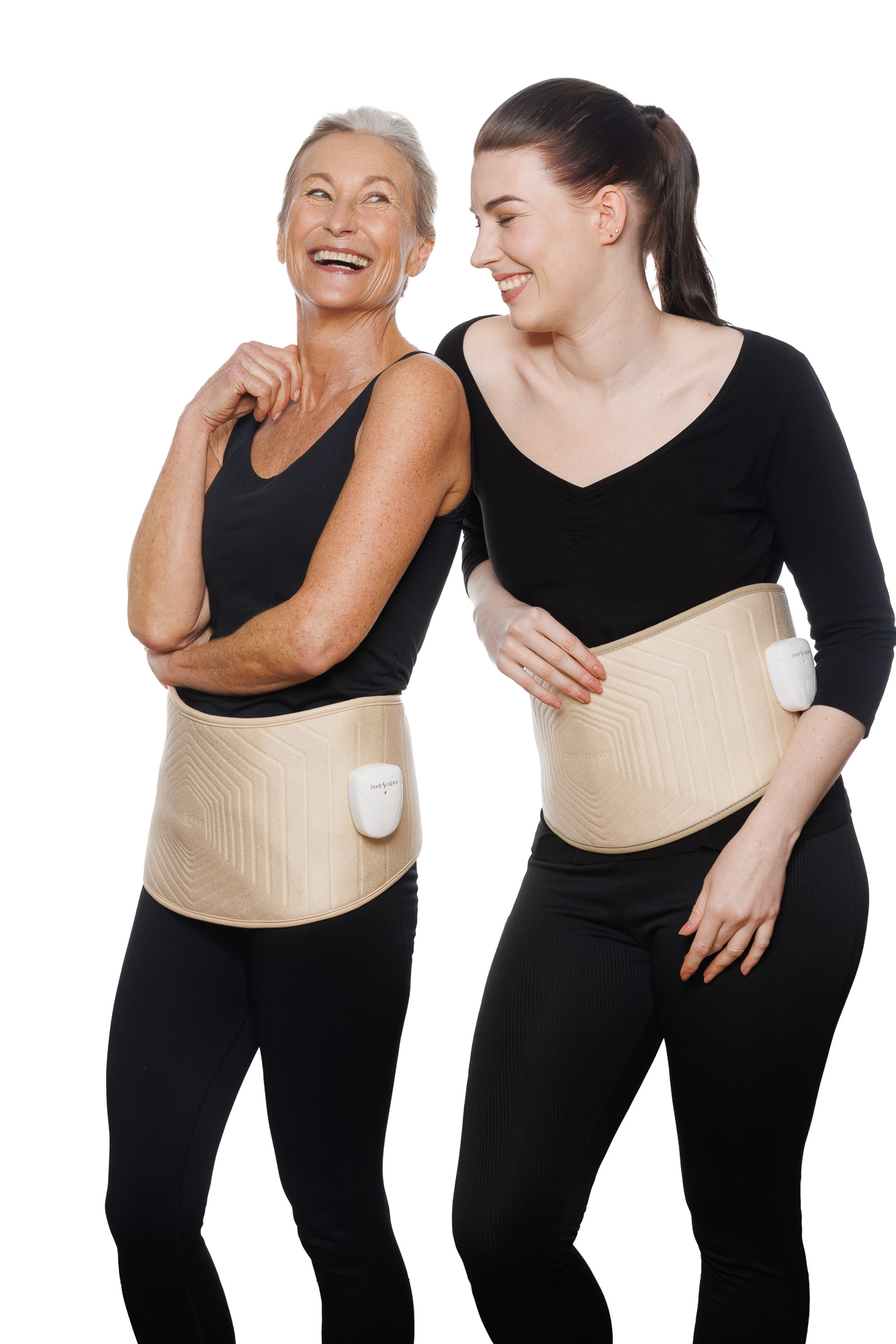
BodySculptor The belt for slimming made easy. It delivers concrete, measured and proven results in just a few weeks: a slimmer waist, a firmer stomach and toned skin.
Compliance
As a reminder, the various slimming belts on the market aimed simply at centimetric loss, sweating or firming up your tummy, are in no way medical devices. They are not intended to diagnose or cure anything: their aim is aesthetic. But they are nonetheless subject to strict legislation. Among other things, their manufacturers :
-
are forbidden to promote any medical effect;
-
have no right to make exaggerated or unproven promises;
-
must comply with all safety regulations applicable to their product. Especially those concerning electronics if their belt is battery-powered;
-
are subject to the obligation of fair and verifiable information, etc.
Bonus tip: prizes and other awards won at innovation fairs or major congresses (e.g. the H. Pierantoni Innovation Prize). H. Pierantoni Innovation Prize).) are not covered by regulations. But they are nonetheless interesting signs of quality to spot.
What about genuine medical devices that also use electrostimulation or low-frequency electromagnetic fields, for example? It’s all very different, but if it helps you make the distinction between purely aesthetic and medical devices, remember that :
-
the DGCCRF reminds you to check CE marking marking and the existence of instructions for use for all medical devices;
-
The French Public Health Code also strictly regulates the advertising of medical devices. Certain mandatory terms (e.g. “regulated health product”, “CE mark”) must be clearly displayed. Among other things, it is also forbidden to imply that “the effect is assured” or that the device has no undesirable effects. If you are interested in this subject, please do not hesitate to consult Légifrance directly to find out more.
A medical device is a healthcare product intended by its manufacturer to be used for the diagnosis, prevention, control, treatment or alleviation of a disease, injury or handicap”, reminds the DGCCRF.
Comfort and compliance
Other criteria to consider when choosing your slimming belt include :
-
its dimensions. It is important to be able to adjust it to your size;
-
the material used. All the more so if you have sensitive skin, easily prone to irritation or allergies;
-
the recommended duration of each session;
-
how often you need to wear the belt to get good results, depending on the manufacturer;
-
the weight of the belt. The heavier models can be hard to wear over time;
-
whether or not you can wear your slimming belt under your clothes. It’s certainly more discreet if you insist on being able to wear it “incognito” on the outside too. If, on the other hand, you’re more comfortable using it at home, the problem doesn’t really arise;
-
the volume of the belt. Here again, you’ll have to make more or less concessions, depending on where you want to use your device…
If you have trouble finding any of this information, don’t hesitate to ask the manufacturer directly!
Total cost and ancillary services
Every slimming belt has a cost, of course. But in addition to its purchase price, you must also take into account :
-
power consumption for each session, for some models ;
-
any complementary products. Conductive gel for electrostimulation belts, for example;
-
product delivery costs.
Once the total cost has been calculated, remember to check the :
-
warranty period ;
-
an efficient after-sales service;
-
the possibility of being coached in the proper use of your belt.
At this stage, it’s up to you to decide whether you think you’re getting a good deal… or whether you’d prefer to opt for another model!
Questions to ask before you buy (and marketing red flags)
What is measured?
In their product descriptions, manufacturers can indicate the results they hope to achieve (provided the product is used correctly, in conjunction with a healthy lifestyle). In particular, weight loss and centimeter loss. These are very different concepts, and you need to distinguish between them when choosing your slimming belt!
In practice :
-
Weight loss expressed in grams or kilograms gives you an indication, of course. But on its own, it’s woefully inaccurate, given that it can just as easily be linked to water loss, fat reduction… Or even muscle loss! Although the latter is more likely to be the case with “hard-core” diets, with no associated physical activity;
-
waist circumference is more interesting for tracking changes in body shape. However, it doesn’t just reflect fat loss: it can also vary according to muscle tone or water retention, for example. In short, it’s not perfect “tracking data”. But in any case, it’s always a good idea to measure it from time to time. Indeed, ameli reminds us that ” waist circumference is deemed too large if it is greater than or equal to 80 cm for a woman and 94 cm for a man”. In particular, this is a risk factor for diabetes, cancer and cardiovascular disorders. Do not hesitate to seek medical advice if necessary.
Of course, the ideal solution would be to be able to check whether your slimmer figure is indeed due to fat loss… And to assess this precisely! But to obtain truly reliable data, you need imaging techniques such as DEXA Scan…
What you can measure at home :
To evaluate your progress easily at home, the basic rule is to measure your waistline at least once a month:
-
start by putting yourself in “good conditions”. Namely: on an empty stomach, preferably naked – you don’t measure above your clothes – standing up straight, feet together, shoes off.
-
pass the tape measure around your waist, positioning it midway between the last palpable rib and the hip bone. That is, slightly above your navel;
-
Make sure the tape measure remains horizontal and parallel to the ground, and take your measurement at the end of your exhalation. Take a second measurement to verify the first. If there’s a discrepancy, start again until you get a consistent result!
You can also assess your progress by :
-
taking a photo every 2 to 4 weeks… Same position, same light! If you don’t feel comfortable posing naked, always choose the same clothes or underwear, so you can compare;
-
and simply rely on your own feelings. Your impressions count too! Does your belly feel firmer? Do you feel more comfortable in your clothes?
What are the contraindications?
Once again, we remind you that slimming belts present contraindications, which vary according to the technology used. Be particularly careful if you :
-
have a pacemaker or implantable cardioverter defibrillator ;
-
suffer from a chronic illness (e.g. heart disease, severe uncontrolled asthma, untreated diabetes, kidney disease, epilepsy, etc.).
Normally, manufacturers must clearly indicate any medical contraindications to their devices. You’d be better off not doing so if you don’t find any mention of them on the manufacturer’s website or product sheet.
Finally, don’t hesitate to seek medical advice before opting for a particular slimming belt.
Risky promises
Last but not leastBut there are also a number of “marketing promises” that should give you pause. These include the expressions :
-
“In fact, it’s called “girth reduction”, but there are no figures or studies to back it up;
-
It’s called “sweat detox”. Why be wary of it? Quite simply because a scientific study published in the journal Environment International, has clearly demonstrated that “sweat detoxification” is just a myth! In fact, the pollutants eliminated by sweat are eliminated in such small quantities as to be insignificant for our organism;
-
“When in fact there are contraindications, usually ;
-
“It’s difficult to give you a 100% guarantee on a particular effect, if only because the results you achieve also depend on your lifestyle (e.g. a healthy, balanced diet, regular physical activity, etc.). In fact, if you’re looking to improve your diet, don’t hesitate to our evening meal ideas for weight loss ;
-
“Because there’s simply no such thing as a miracle product that will help you lose weight impressively fast, without the slightest effort and without the slightest risk!
On a broader level, beware of overly promotional speeches that exaggerate the product’s qualities.
Good to know: while we’ve presented 3 main families of slimming belts in this article, some models use other technologies. Like cryotherapy, for example! You can discover these other slimming abdominal belts in our previous article.
Conclusion
Each technology therefore responds to a specific need, with its own effects, limitations and precautions to be taken.
Belts incorporating low-frequency magnetic fields claim a combined action on muscle stimulation and energy expenditure. This approach deserves careful consideration, provided it’s backed up by hard data. Evidence is available here, so you can make up your own mind about the BodySculptor belt, with complete transparency.
Bear in mind, too, that no belt can ever replace the benefits of a balanced diet and regular physical activity. The ideal solution is to use it as a complement to a healthy lifestyle, to maximize its benefits… While always scrupulously respecting the device’s instructions for use!
In the final analysis, the right slimming belt is not the one that promises the most… but the one that really meets your needs, while respecting your safety!