


BodySculptor The belt for slimming made easy. It delivers concrete, measured and proven results in just a few weeks: a slimmer waist, a firmer stomach and toned skin.

Wrinkles of all kinds, sagging faces, flabby skin on the arms… Let’s face it: while not dangerous in themselves, signs of sagging skin are hard to live with. Fortunately, however, there are a number of solutions to combat the loss of skin tone. What’s more, some of them are non-invasive, which means they entail far fewer risks than surgical aesthetic treatments. And they’re less expensive too. What are the main causes of sagging skin ? Can it be prevented? What methods can be used to restore firmer skin ? We answer all your questions about sagging skin in our article.
What factors aggravate sagging skin ?
Which areas of the body are most affected by sagging skin ?
What solutions are there to treat sagging skin ?
Cosmetic care: active ingredients that help firm the skin ?
How can I prevent sagging skin ?
Sagging skin is generally associated with “mature skin”. This phenomenon is directly linked to the natural aging of the skin.
In concrete terms, all the layers making up the skin (epidermis, dermis, hypodermis) degrade over the years. The same applies to underlying tissues. This includes muscles and the subcutaneous fat layer. Among the main factors involved, we would highlight the following:
Menopause, which is also a natural age-related phenomenon for women, makes matters even worse. Not least because the lack of estrogen hormones thins and weakens the skin.
The result: skin becomes duller and flabbier over the years. Wrinkles form, the oval of the face sags and the skin on the arms “hangs”.
That said, it’s not all about aging skin and aging ovaries. There are also hereditary genetic predispositions. Some people have the misfortune to see the first signs of sagging appear earlier than average. Conversely, they can also appear later, depending on your “skin heritage”.
To take a simple example, your skin tone is directly influenced by genetics. It’s often said that dark skins age more slowly than others. This is partly true.
In concrete terms, the dermis is thicker when the skin is matte. Over time, however, it will atrophy, as it does in lighter skin. But since it was thicker to begin with, it takes longer for the loss of volume to create an aesthetic problem.
Similarly, a high level of melanin (the pigment that gives skin its color) delays the appearance of wrinkles. To the point of often appearing 10 years later in dark skins than in fair skins. In other words, wrinkles tend to appear around the age of 40-50, rather than 30-40. Why is this? Quite simply because the more melanin the skin contains, the better protected it is against the UV (ultraviolet) rays that cause photoaging. But there’s another side to this coin: a high level of melanin predisposes the skin to the appearance of hyperpigmentation spots, in the event of too much sun exposure. Less radiant, less even, the skin takes on a more mature appearance. Even if it’s not necessarily already wrinkled.
Whatever your genetic make-up and skin tone, certain factors can accelerate the onset of sagging skin and aggravate its symptoms. These include
Last but not least, gravity “pulls” mature skin down even further.
Read also : Jowl Line, Causes and Sagging Treatment for a Firmer Face
Sagging skin is particularly noticeable in certain areas of the body. We are thinking in particular :
But solutions are available on a case-by-case basis!
Some slimming belts not only slim your figure, but also improve the appearance and firmness of your skin. This is particularly true of the BodySculptor belt, a slimming device based on non-invasive, pain-free, patented technology.
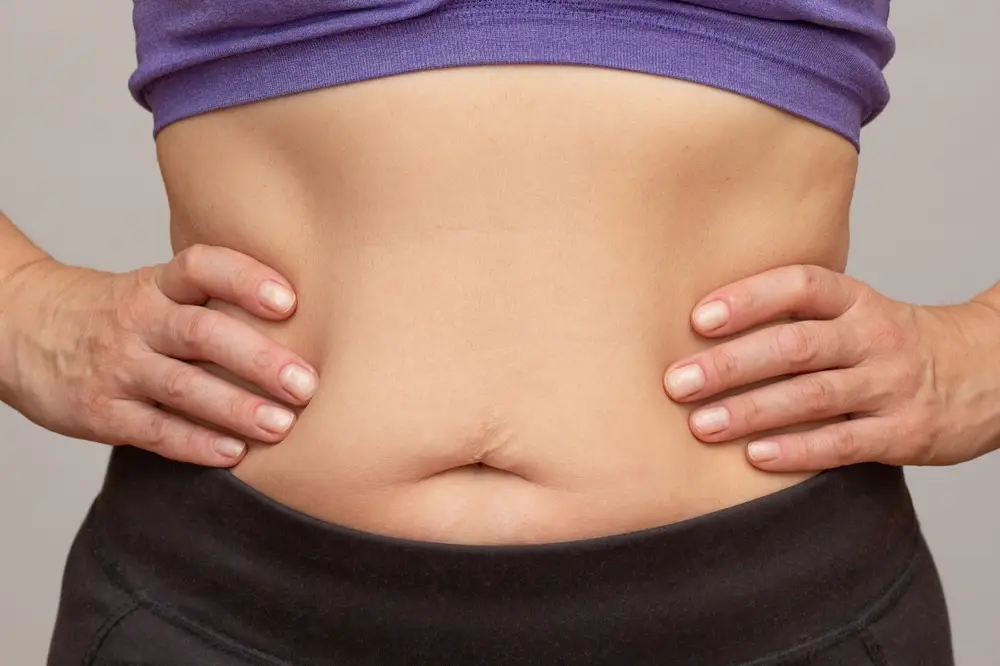
The principle? Gently stimulate muscles in the area, using low-frequency magnetic energy fields. This slims the waistline and improves the appearance of the skin around the tummy. And best of all, you can use it right at home.
This aesthetic medicine technique involves inserting very fine threads under the skin. The result is an “immediate lifting effect”, as the threads directly lift sagging tissue. However, the threads are generally biodegradable. The effect lasts only a few months, while the body resorbs them.
However, some practitioners offer permanent threading, for a visible effect lasting several years. As the years go by, the tissues will eventually sag further, but this remains an interesting option for delaying the need for a surgical facelift as long as possible.
In either case, this technique is mainly used to combat :
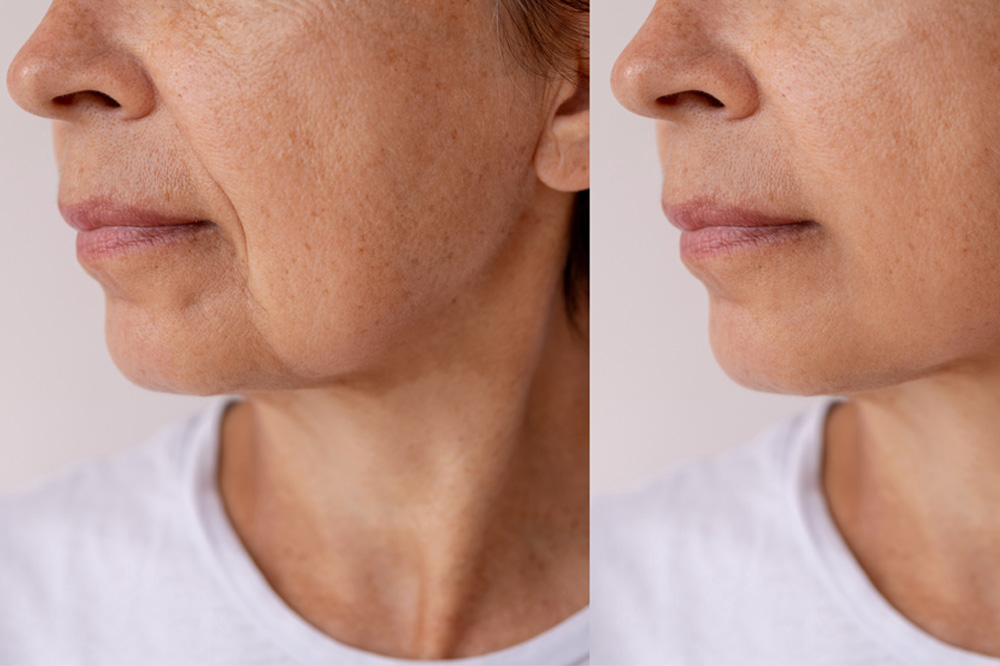
sagging skin on the face and neck;
“bat arms”;
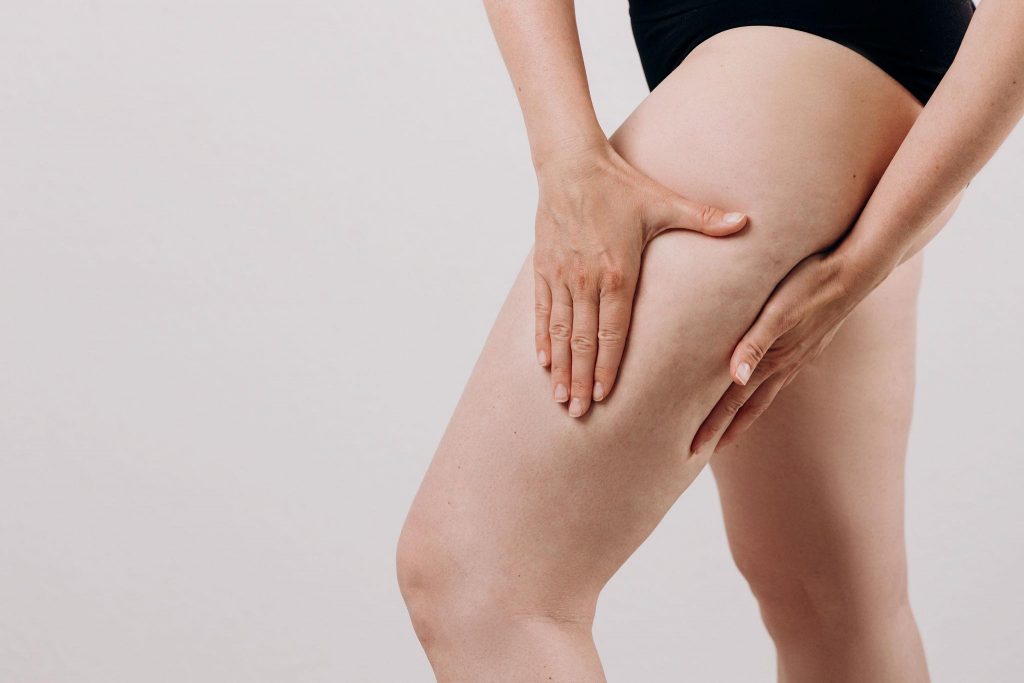
flabby skin and stretch marks on the stomach and thighs.
Its main contraindications include the following:
Significant overweight;
unbalanced diabetes;
and ongoing skin infections.
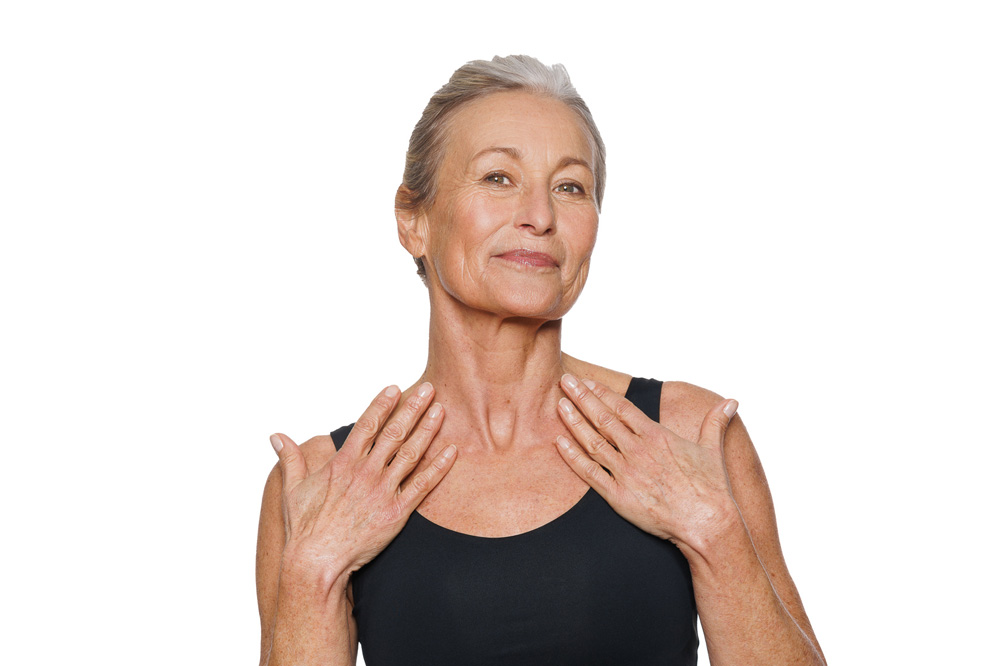
Used alone, or in conjunction with a facelift or liposuction to maximize their effects, radiofrequency involves the diffusion of electromagnetic waves to heat tissues and stimulate cell regeneration. It is used in particular to reshape the oval of the face, but also to firm the skin of the neck, décolleté, stomach, arms and thighs.
Main contraindications: ongoing skin diseases, heart problems, wearing a pacemaker or other medical implant, and a history of skin cancer.
In its “classic” form, microneedling simply involves making mini-perforations in the skin.. The aim? To activate the cell regeneration process, resulting in increased production of collagen and elastin. There’s also a new technique that combines the mini-perforations of microneedling with the thermal effect of radiofrequency. This is known as RF microneedling or fractional radiofrequency.
In either case, these techniques are mainly used to treat :
Slackening of the face (slight to moderate);
crumpled skin on the décolleté;
sagging skin on the arms or stomach.
Main contraindications: skin diseases, history of poor healing and anticoagulant treatment.
This medical facelift technique uses ultrasound to stimulate deep collagen production. In English, we speak ofHigh Intensity Focalised Ultrasounds, hence the name HIFU. Face, neck, décolleté, abdomen, arms, inner thighs and knees – HIFU can really be used in many areas to firm the skin.
The main contraindications to be aware of: wearing a pace-marker, as well as wounds and ongoing skin infections in the area to be treated.
Another interesting solution for tightening neck skin without surgery is the BodySculptor face-lifting mask, for use directly at home. Suitable for both men and women, it uses low-intensity magnetic fields to gently stimulate the skin muscles of the neck and face.
Good to know too: as well as toning the skin of the neck, it’s also useful for refining the oval of the face and combating double chin.
BodySculptor Le Masque, the 1st triple-action anti-aging mask: oval – neck – décolleté. It delivers concrete, measured and proven results in just a few weeks: a refined face, an erasing effect on the double chin, an anti-slackening effect, smoother, firmer skin on the neck and décolleté.

The facelift is undoubtedly one of the best-known cosmetic surgery techniques. Disadvantage: it’s an invasive procedure, requiring real incisions, anesthesia, varying degrees of healing time, pain medication, etc. Not to mention the risks involved (e.g., hemorrhage, infection, allergic reaction to the anesthetic, etc.). Not to mention the risks involved (e.g. haemorrhage, infection, allergic reaction to anaesthetic).
Even if this procedure is well mastered these days, an “incident” is still possible. That said, when skin slackening is really marked, a surgical facelift remains an effective solution for reshaping the breasts, face, arms, thighs and stomach.
But before seriously considering it, you should consult your doctor to check that you have no contraindications. He or she can also guide you towards gentler techniques (e.g., tightening threads, lifting devices, injections, etc.) depending on the exact condition of your skin.
Hyaluronic acid injections are primarily used to fill hollows (wrinkles, dark circles, cheeks hollowed by age) and boost skin hydration. Hyaluronic acid injections are a medical facelift technique. In fact, this method is even nicknamed “liquid lift” !
In practice, these injections are often used to rejuvenate the face and neck, but they can also be applied to other areas, including the stomach. However, as hyaluronic acid is resorbable, the effects last only a few months. Main contraindications: chronic hepatitis C, anticoagulant treatment and skin disease at the site of the injections.
This skin-tightening technique involves applying suction force to the skin, using a device. By stretching skin cells, it activates collagen and elastin production, restoring firmness to the face, arms, stomach and legs.
Normally, sessions are pain-free. They also help boost blood circulation and combat the sensation of heavy legs.
Main contraindications: ongoing skin diseases, serious circulatory problems (e.g. thrombosis, phlebitis, untreated varicose veins) and untreated heart disease.
Finally, you can also use various serums, creams, hydrogels and other anti-aging treatments to help your skin regain its firmness. They’re available for the face and various areas of the body, so make sure you choose one that’s right for you…
And, above all, beware of ” cosmetic dupes ” sold on the Net. These are cheap copies of brand-name products, particularly on AliExpress and Temu. Not only are they ineffective, they can also endanger your health with their dubious composition.
In concrete terms, the REAL anti-sagging cosmetic products worthy of the name are all tested before being put on the market. However, they may use different active ingredients. Among the most common are :
hyaluronic acid, to moisturize and boost skin elasticity;
vitamin C, a natural antioxidant that protects the skin against the damaging effects of free radicals;
Vitamin A derivatives, to stimulate collagen production;
various combinations of peptides (protein fragments), including Matrixyl, designed to stimulate elastin and collagen production.
OsmoSculpt® Anti-Age hydrogel uses the famous Matrixyl to firm skin on the face, neck and décolleté.
The golden rule ? Always apply a good sunscreen before exposure to the sun. Whatever your age or skin tone. Even so, it’s still advisable to avoid exposure to the sun during the hottest hours of the day. That is, between 12:00 and 16:00, when the sun is at its zenith: stay in the shade!
To stay healthy – and slow down skin slackening at the same time – you need to hydrate regularly throughout the day. As a guideline, NHS (UK) recommends that adults drink at least 6 to 8 cups or glasses of fluid a day. This is a good basis, suitable for a large proportion of the population. But bear in mind that you may need different water intakes, depending on your level of physical activity, the presence of any illnesses, etc. If in doubt, ask your doctor for a personalized recommendation.
There’s nothing like a healthy, balanced diet to keep your skin toned. Say goodbye to processed foods, which are too rich in sugar and unhealthy fats. Instead, invite seasonal fruit and vegetables onto your plate, and, more broadly, all foods rich in antioxidants. To fight free radicals naturally! To find out more, read our article on the anti-aging effects of antioxidants.
Squats, lunges, planks, arm exercises… You’re spoilt for choice when it comes to strengthening subcutaneous muscles and reducing signs of slackening. By the way, regular physical activity will also help you stay slim and healthy! Motivated to start training? If so, discover the best exercises for losing belly fat today !
The Yo-Yo effect really harms your skin’s elasticity. Do you want to lose weight? Unless you have a medical need (e.g. morbid obesity) that requires you to lose weight very quickly, opt for gradual, gentle weight loss. Taking part in sports and eating more healthily will help you reach and maintain your ideal weight, while being as gentle on your skin as possible.
Good quality sleep is essential for keeping skin looking young and radiant for as long as possible. Fortunately, it often takes just a few simple tricks to get a better night’s sleep. For example:
keep the temperature of your room around 18° to 20 °C (64,4 – 68 °F);
Avoid screens (e.g. TV, tablet, computer, smartphone) before going to bed;
avoid heavy dinners, etc.
That said, in the case of genuine chronic insomnia or other sleep disorders, it’s best to consult a doctor, for appropriate treatment if necessary.
The last piece of good advice for delaying the appearance of signs of sagging skin: stop smoking altogether. Easier said than done? Of course it is. That’s why you shouldn’t hesitate to get help from a tobaccologist.