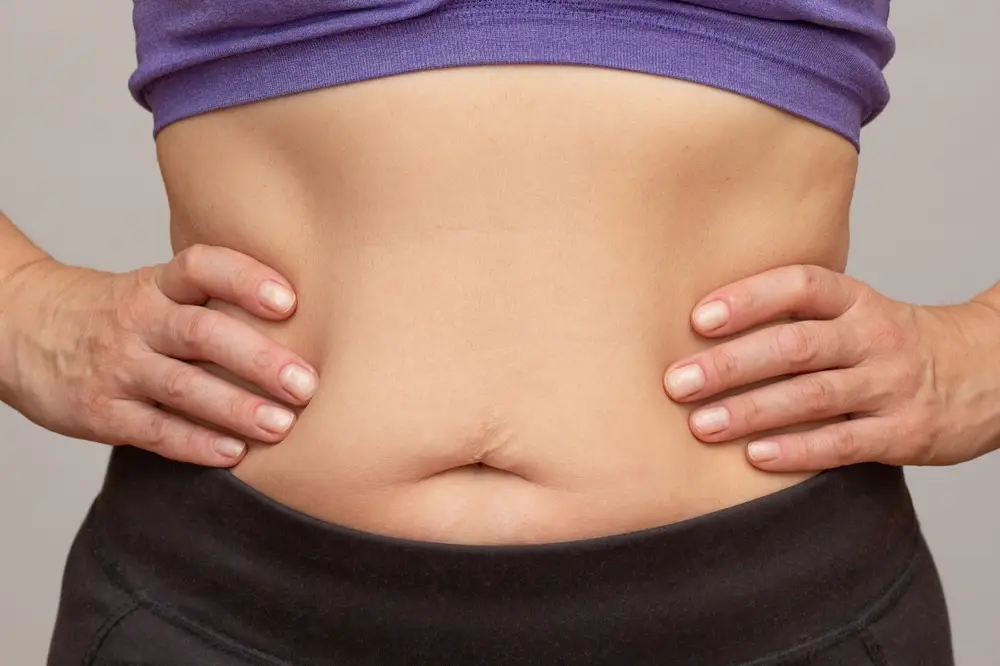

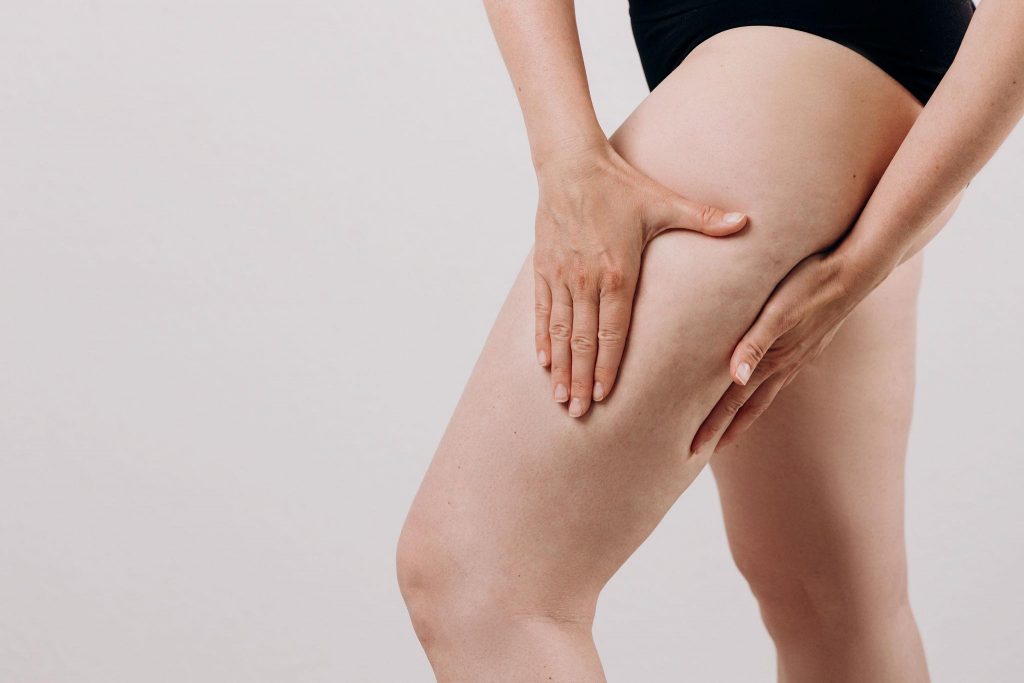
Do you have orange peel skin on your thighs or buttocks? Don’t worry: it’s an extremely common and harmless phenomenon. It’s simply cellulite, about which ” scientists agree that it is not a disease, but a perfectly normal phenomenon that affects at least 80% of adult women, thin or not, as well as some men “, according to Inserm. That said, this bumpy, dimpled appearance of the skin is nevertheless a common source of complexes. That’s why it’s so important to understand its causes and discover solutions for reducing or eliminating it: all the explanations in our article!
Things to remember :
There’s no miracle method for making orange-peel skin disappear, but an impeccable lifestyle combined with specific local treatments can significantly reduce the effects of cellulite.
The causes of orange peel skin can be multiple: genetics, age, hormones, sedentary lifestyle, poor diet and hydration, smoking, stress, sleep, sun, etc.
There are 3 types of orange peel skin or cellulite: adipose cellulite, aqueous cellulite and fibrous cellulite.
CONTENTS :
The different types of orange peel skin (or cellulite)
What is “orange peel skin”?
In French, we often speak of peau d’orange, or even the orange peel appearance of the skin. But whatever the expression, it’s simply cellulite, also known as superficial lipodystrophy.
or edematofibrosclerotic panniculopathy in medical jargon.
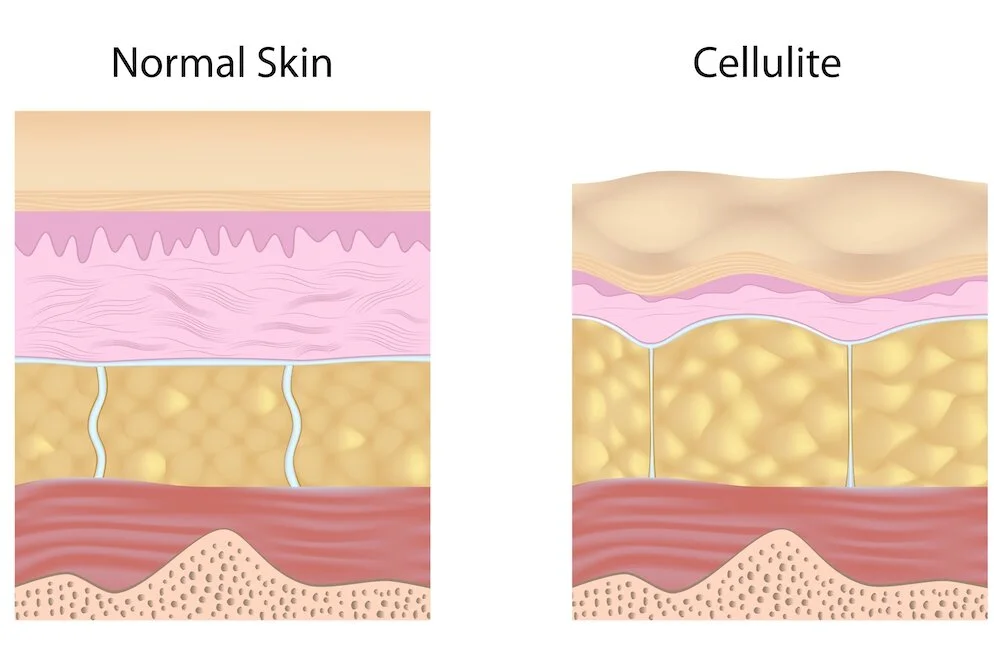
More concretely, cellulite results from subcutaneous fat deposits arranged in pockets, separated by collagen septa ( septa = thin septum, in anatomy).
When fat cells swell, they protrude from the skin’s surface, unfortunately creating unsightly bumps and hollows along the way. Hence that dimpled, orange-peel appearance…
While being overweight can indeed amplify the phenomenon, it ‘s important to remember that there are many factors influencing the formation of cellulite. We’re thinking in particular of genetic predisposition and natural aging of the skin, which can very well lead to the formation of cellulite in slim women… We talk about this in detail below in our article.
Zones concerned
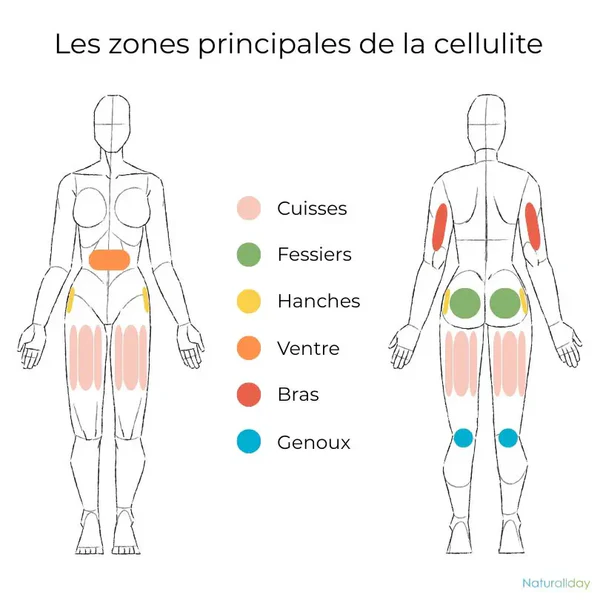
Orange peel skin mainly affects :
Upper thighs;
Buttocks;
Hips;
The belly, to a lesser extent.
Why? Essentially because, in women, the body naturally stores fat precisely in these areas: technically, it builds up energy reserves in anticipation of a possible pregnancy.
As a result, adipocytes – fat storage cells – become engorged more quickly in these areas of the body. Hence the common appearance of dimpled skin!
However, it is still possible to develop orange-peel skin in other places: on the arms, in the knee area. Much depends on the exact cause of the cellulite.
Women more prone to orange-peel skin
Can men also develop cellulite? Yes, but are men and women equal when it comes to cellulite? Absolutely not!
A study published in the EnglishAesthetic Surgery Journal (Multicenter Pivotal Study Demonstrates Safety and Efficacy of a New Cellulite Procedure: 3-Month Results) points out that 80-90% of post-pubertal women will develop cellulite during their lifetime. And sometimes even very early in life, since it’s quite possible to have cellulite as a teenager. Although it is more likely to appear between the ages of 20 and 50.
What about men? Only 2% of men are affected by cellulite. This impressive difference can be explained by anatomical factors:
In women, the collagen partitions under the skin are vertical and the skin is naturally thinner. As a result, when they are swollen, the fat cells press towards the surface, while the collagen fibers try to pull the skin downwards to compensate. Hence the appearance of “bumps” of sorts: given the thinness of the skin, dimples are quickly visible, alas;
In humans, collagen fibers are arranged obliquely in the hypodermis. This means that pressure is not exerted directly towards the surface! To top it all off, men’s skin is thicker. This explains why dimpled skin is so rare in men… But when it does appear, it’s usually on the abdomen.
No health hazard!
As many doctors – and Inserm – have already reminded us: cellulite is not dangerous to your health. Unlike visceral fat, which is deeply localized in the body.
Many professionals even consider orange peel skin to be “a normal physical condition” for women. But if it’s any consolation, don’t hesitate to ask your GP directly for advice.
That said, cellulite is an aesthetic inconvenience. It can even have a psychological impact of varying degrees. It’s not uncommon to develop a real complex in the face of very pronounced orange-peel skin on the thighs or buttocks, for example.
It must also be said that the – largely – retouched images that the media have been publishing for decades have fueled the obsession with perfectly smooth skin. And the ” so perfect ” images generated by AI don’t necessarily help matters.
In short: even if cellulite isn’t serious, many people are looking for solutions to eliminate – or at least reduce – the orange peel appearance. You have every right to fight it too, if you wish. It’s just a question of choosing the right techniques for your exact situation…
Have you ever heard of infectious cellulitis?
It may be confusing, but rest assured: it has absolutely nothing to do with “simple” orange peel skin. In fact, it’s a bacterial infection that develops from a wound or dental abscess. Or even an animal bite! Main symptoms: swollen, hot, red and painful skin, sometimes with fever. The skin may change color (e.g. greenish, purplish) over the hours, depending on the bacteria. The right thing to do? Go to the emergency room as soon as possible: some infections are very dangerous and need to be treated quickly.
The different types of orange peel skin (or cellulite)
To effectively combat orange-peel skin, you first need to understand its nature. Remember that there is not just one form of cellulite, but several. They have neither the same causes, nor exactly the same appearance. Nor do they necessarily respond to the same anti-cellulite treatments. That’s why it’s a good idea to do a little self-diagnosis to choose the right solutions.
As dermatologist Dr Noël Schartz points out, there are 3 main types of cellulite. Namely:
adipose cellulite, also known as fat cellulite. As its name suggests, this type of cellulite is linked to excess body fat: fat cells swell and multiply. This leads to the appearance of dimpled skin. Adipose cellulite is normally visible to the naked eye: the skin is clearly wrinkled. Most common areas: thighs, buttocks, hips, stomach and arms. If you try to pinch it (gently), you’ll find that your skin is soft and painless;
Aqueous cellulite, also known as infiltration cellulite. This form of cellulite is linked to excess water in the tissues, caused by poor venous and lymphatic circulation. It’s simply called water retention. You don’t have to be overweight to develop it, then: many slim women have it, generally around the thighs, calves and ankles. That said, it’s often quite discreet: you’ll see it much better if you pinch your skin. Aqueous cellulite is painless in itself. However, it is often accompanied by heavy, swollen legs, which can be more or less painful depending on the extent of water retention;
and fibrous or indurated cellulite. This is cellulite that has been present for a long time, and is much more difficult to dislodge than the previous types. Technically, it can be linked to excess body fat or poor venous circulation. Or even both at the same time! More specifically, fibrous cellulite occurs when collagen fibers harden – known as ” fibrous septa ” – and shorten around adipocytes, usually as a result of hormonal upheaval or the natural aging process. It’s in this form that dimpling is most pronounced: you’ll have no trouble seeing it with the naked eye. The skin is also hard and often painful to the touch. Areas most often affected: buttocks and thighs.
You may also have several types of cellulite at the same time. In this case, you must at least identify the predominant form in order to adopt the right strategies.
For example, watery cellulite will respond well to measures that improve circulation and reduce water retention, while fibrous cellulite will require more intensive treatments (e.g. deep massage, medical technologies) as the sclerotic tissue is stubborn. If you have any doubts about the nature of your cellulite despite your self-diagnosis, don’t hesitate to consult a specialist.
Endogenous factors (or internal factors)
Generally speaking, several factors are involved in the formation of orange-peel skin. Some are unique to each individual, and are unfortunately difficult – if not impossible – to combat directly. The main endogenous causes of cellulite include the following:
Hereditary genetic predisposition. Remember that genetics play a major role in the appearance of cellulite: the distribution of fat in the body is partly hereditary. This is why women from the same family tend to develop cellulite in the same places. What’s more, genetic factors can also have an impact on collagen quality and skin elasticity, also favoring the appearance of orange-peel skin… Unfortunately, it’s hard to fight your own genes. That’s why some people develop cellulite quite early in life, despite having an impeccable lifestyle. Including slim women, as the medical encyclopedia MedlinePlus rightly points out;
Age. Over the years, the skin naturally loses elasticity and firmness (due to a reduction in collagen and elastin in the dermis). To make matters worse, the drop in estrogen levels associated with the menopause amplifies skin ageing… This is why fibrous cellulite generally appears after the menopause, at around 45-50 years of age. The dimpling is then much more visible than at age 20, even without any associated weight gain;
fat metabolism and distribution. In addition to the areas genetically programmed to store fat in women (e.g. thighs, hips), Each individual has his or her own metabolism, influencing the way the body burns or stores energy. A slower metabolism encourages fat storage, which in turn promotes cellulite.
specific hormonal factors. Alongside the drop in estrogen associated with menopause, other hormones can also play a role. Some of them may explain the formation of cellulite in men, according to Dr Philippe Blanchemaison, who cites hypothyroidism in particular in an interview for Allo Docteurs:” A man can have a hormonal imbalance, mainly due to female hormones, but other hormones are also involved. When you have hypothyroidism, you tend to store fat. All the hormones we call anabolic hormones can play a role in this. “. In women, we could also mention polycystic ovary syndrome, or unsuitable contraception: the associated hormonal disorders can potentially aggravate water retention or localized weight gain. And cellulite!
It should also be noted that a chronic excess of cortisol (stress hormone) is sometimes cited as an aggravating factor . Why is this? Quite simply because it can :
Promote fat storage;
Fragile collagen;
Amplify water retention.
Although its exact influence is difficult to quantify at present, many doctors consider that stress and cellulite are not good bedfellows.
External aggravating factors
In addition to the aforementioned causes of cellulite, several external factors directly linked to lifestyle can promote or aggravate the appearance of orange peel skin. The good news is that you can easily combat them by adopting healthy habits. More concretely, many medical sources mention the impact :
A sedentary lifestyle and lack of physical exercise. Poorly toned muscles offer less support under the skin, making it easier for dimpled skin to form. What’s more, inactivity limits energy expenditure. Excess calories are stored in fat cells. Conversely, the muscular contractions generated by physical activity stimulate blood circulation and venous return, helping to prevent fluid stasis in the tissues, as reported in the Aesthetic Surgery Journal.
An unbalanced diet, too rich in sugars and saturated fats. This can encourage the development of cellulite by increasing fat storage. A diet rich in salt and ultra-processed foods can also accentuate water retention in tissues. This, in turn, promotes watery cellulite. On the contrary, a healthy diet, rich in fruit, vegetables, fiber and lean proteins, helps control weight and provides antioxidants beneficial to the skin. However, Inserm points out that the concrete impact of diet and sport on cellulite has not (yet?) been 100% proven.
” Sport and a balanced diet are often recommended in the fight against cellulite. These habits are undeniably beneficial to health, but to date, no scientific study has rigorously proven their direct effectiveness on dimpled skin. They can, however, lead to weight loss (although we’re not all equal in this respect!), which can make cellulite less visible. . “Source: Inserm – Canal Détox: “Cupping, creams, massages… Effective treatments for cellulite, really?”
That said, other medical sources, such as Brunet Pharmacies and MedlinePlus, also point to the existence of other external factors that promote or aggravate orange peel skin. These include
Insufficient hydration. Particularly when water deficiency is combined with excessive salt or sugar consumption. This encourages the body to retain fluids, causing fat cells to swell and accentuating the dimpled appearance;
Poor blood and lymph circulation. Poor venous circulation in the legs – particularly common if you sit, stand or stand still for too long – and slow lymphatic circulation lead to inadequate drainage of waste products and edema in the tissues.
Smoking. We can’t stress this enough: smoking has a negative impact on the skin and microcirculation. More specifically, smoking causes vasoconstriction (narrowing) of small vessels, which damages the skin’s collagen. Studies have shown that smokers’ skin is less elastic and thinner. That’s why it’s generally accepted that smoking can worsen cellulite, and also make anti-cellulite treatments less effective. Although the main risk of smoking is, of course, developing lung cancer.
Chronic stress , which, as mentioned above, can indirectly play a role via cortisol secretion;
And lack of sleep, which, by disrupting fragile hormonal balances (e.g. appetite and cell regeneration hormones), can encourage weight gain or slow circulation.
Last but not least, several factors are still being studied at the time of writing. While their impact on orange peel skin has yet to be proven, they are suspected of playing a role. If only in a small way. Among them, we would particularly like to draw your attention to :
Prolonged wear of high heels, which contract the calves and can slow venous return. Of course, we don’t yet know whether they have an enormous influence on the formation of orange-peel skin. But we do know that young women who frequently wear high heels expose themselves to numerous problems in later life (e.g., tendonitis, shortening of calf muscles, increased risk of osteoarthritis of the knee), as Dr Brigitte TARKOWSKI (President of the Ordre National des Pédicures-Podologues) points out in an interview with Santé Magazine;
Excessive exposure to the sun, which not only accelerates skin ageing and is suspected of promoting cellulite, but also increases the risk of skin cancer;
Regular exposure to environmental toxins (e.g. pollution, endocrine disruptors) increases the risk of developing many different pathologies (e.g. chronic obstructive pulmonary disease in the case of particulate pollutants).
In short, it doesn’t really matter whether these three factors have a tangible impact on the formation of orange peel skin. Given that they are proven risks to your health, it’s best to be wary of them no matter what.
Solutions for eliminating or reducing orange peel skin
1. Improve your lifestyle (diet, hydration, sport)
The key to fighting cellulite is to adopt a healthy lifestyle. This will have an overall beneficial effect on your body, and may also reduce the appearance of orange peel skin to some extent.
- Eat a balanced diet. In concrete terms, this means adopting a diet rich in fresh fruit and vegetables, fiber, lean proteins (fish, poultry, legumes) and healthy fatty acids (olive oil, avocados, nuts…). At the same time, you should avoid excess fast sugars, saturated fats and salt. The aim is to reduce excess calories – to reduce overall body fat – and provide your body with all the nutrients it needs for healthy skin. And best of all, limiting salt and sugar helps minimize water retention! But remember, the benefits of a healthy, balanced diet are only visible when adopted on a daily basis.
- Keep well hydrated. Drinking enough water throughout the day – around 1.5 to 2 liters for an adult, except for specific needs linked to intensive sports practice, for example – helps eliminate excess sodium and metabolic waste. It also keeps the skin supple and promotes natural lymphatic drainage. As a complement, it is also advisable to limit alcohol consumption, which dehydrates and overloads the liver (the key organ of elimination).
- Regular physical activity. Of course, sport alone cannot “erase” your orange peel skin. But it can make it less visible, by reducing body fat and improving skin tone. In concrete terms, you can combine cardiovascular exercises (e.g. brisk walking, cycling, swimming, running) to burn fat and improve circulation, with muscle-strengthening exercises – targeting thighs, glutes, abs, etc. – to tone skin muscles. – to tone skin muscles. The firmer they are, the more they tighten the skin underneath, reducing the dimpled appearance. Finally, physical activity also stimulates blood and lymph circulation, helping to drain cellulite areas.
- Maintain a healthy weight. There’s no need to aim for thinness to combat cellulite: the key is to maintain a stable weight (normal BMI) and prevent major weight variations. Indeed, each weight gain-loss cycle can weaken the skin, leading to a loss of firmness. In other words, if weight is regained, fat will be stored even more easily in the dimpled areas… And if you’re overweight? In this case, gradual weight loss can reduce the appearance of orange-peel skin, as there will be less fat in the subcutaneous compartments. As a guide, some sources indicate that losing 5-10% of body weight can already improve the appearance of dimpling in an overweight person. As long as you don’t lose weight too suddenly, to avoid skin slackening.
- Stop smoking: as explained above, smoking is detrimental to skin health. Dermatologists therefore encourage you to stop smoking not only to prevent skin ageing, but also with a view to combating cellulite. As a general rule, the benefits for skin quality can be felt after a few months’ cessation: tissues are better oxygenated, collagen levels increase… The result: the skin is noticeably more beautiful. But you still need to be able to quit smoking. To do this, visit the Tabac Info Service website for free professional support during your battle!
2. Manual orange peel skin care and techniques
Many local treatments can also help reduce the appearance of orange peel skin. At least temporarily! The effects of wellness treatments on cellulite are generally fairly modest and short-lived, if they’re not used regularly. BUT they do have the advantage of being :
- Be non-invasive;
- Generally harmless (except for special medical contraindications);
- Stimulate local blood circulation;
- And give the skin a temporary glow.
In short: they’re not a panacea, but you can still consider them as complementary “boosts”, to be used as part of a healthy lifestyle. Among these wellness treatments, the most important are :
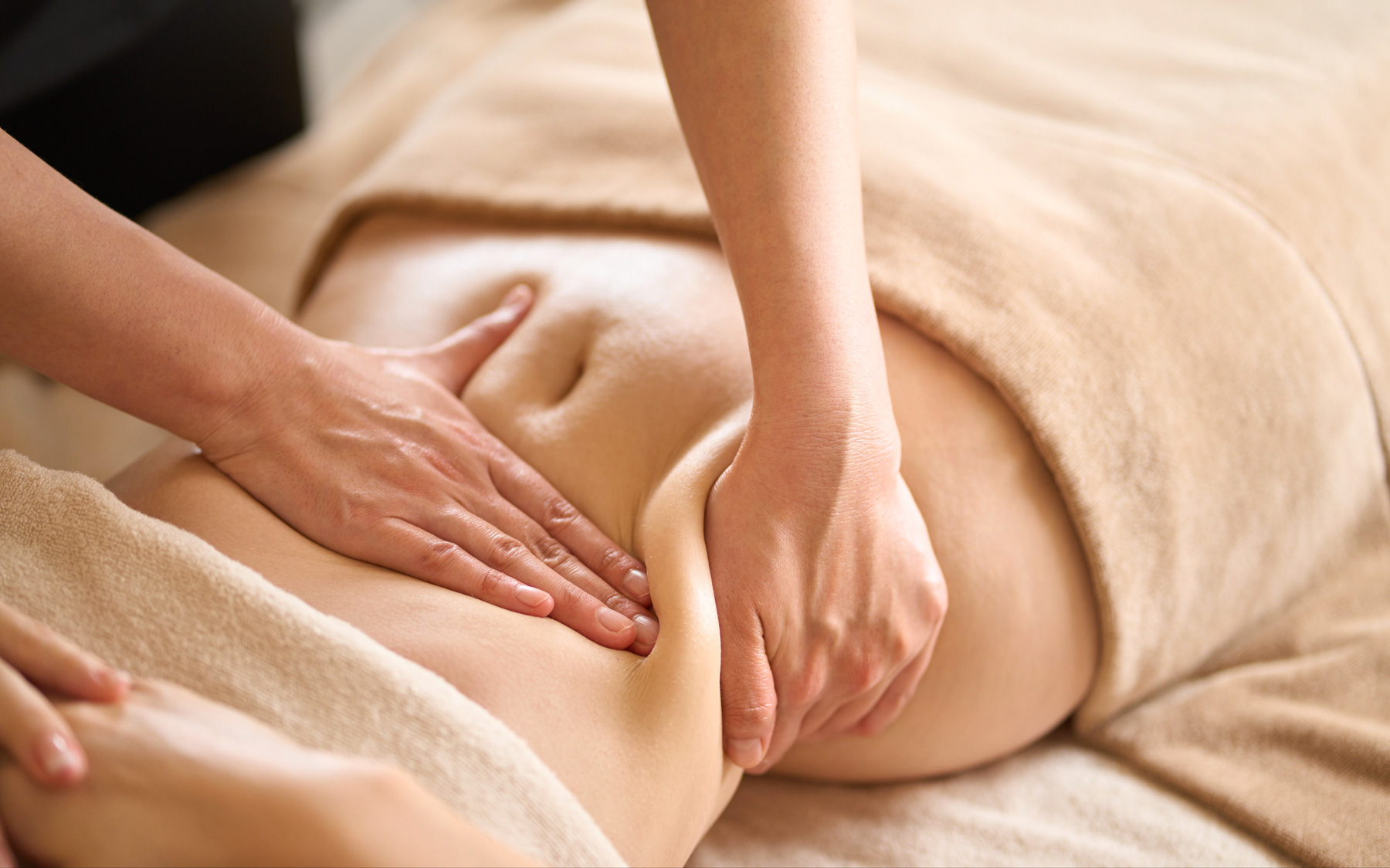
- Anti-cellulite massages (palpate-roll, lymphatic drainage). Manual massage is undoubtedly one of the oldest and most widespread techniques for combating orange-peel skin. Its best-known form is the famous palpate-roll massage, which involves pinching and rolling the skin between the fingers to loosen fatty deposits. For watery cellulite, more gentle massages are used, such as lymphatic drainage, which is one of the most popular treatments at beauty salons . In terms of expected results, the Brunet pharmaceutical group reports that this type of anti-cellulite massage can boost microcirculation, reduce fluid retention and increase lymphatic circulation. Result: after just a few sessions, skin is visibly more beautiful, smoother and less puffy. But you need to continue massaging regularly, as the effect is only temporary. Please note that palpate-roll massage is not recommended in certain situations. It is out of the question, for example, in the case of: haemophilia (risk of haemorrhage), phlebitis and varicose veins (risk of embolism), high blood pressure or severe heart disease, skin diseases in the area to be massaged (e.g. eczema and various infections) or during pregnancy. If in doubt, it’s wisest to ask your doctor’s advice before opting for this treatment.
- Anti-cellulite creams and gels. There are many slimming creams on the market designed to reduce cellulite and tighten the skin (e.g.: caffeine, retinol, algae, ivy, red vine, etc.). While many ingredients are used, caffeine is clearly the “star ingredient” as it is said to promote local lipolysis (fat destocking) and water elimination… That said, whatever its exact composition, no cream makes cellulite disappear for good. However, regular massage with this type of product – count on several weeks’ application, twice a day – could help to reduce the appearance of cellulite. smooth and improve skin texture. It should also be noted that some dermatologists believe that these products have mainly a cosmetic surface effect (moisturizing, superficial firming), but that they do not treat the underlying causes of cellulite. If you suffer from a particular medical condition (e.g. heart condition, circulatory problem) or are pregnant, you may also wish to seek your doctor’s advice to ensure that the active ingredients used are safe for you.
- Scrubs and exfoliation. It’s true that exfoliating the skin – with a coffee scrub, for example – won’t work deep down on fat reserves. However, it can improve your skin’s surface appearance. By eliminating dead cells and stimulating cutaneous microcirculation, exfoliation makes skin softer. Better still, it also makes it more receptive to the skin care products you apply next. So it’s a useful little beauty tip to know to optimize the effect of creams. The icing on the cake: you can even make “homemade poultices” with coffee grounds. Frankly, there’s no solid scientific evidence to support this grandmotherly recipe.
- Cold showers, water jets and other circulatory tips. End your shower with a jet of cold water on your legs and buttocks? Another common grandmotherly tip for toning the skin and stimulating venous return! In concrete terms, cold first causes vasoconstriction (blood vessel walls contract), then reflex vasodilation (blood vessels dilate). This can effectively boost blood circulation temporarily. In the same vein, lying down with your legs raised, or wearing compression stockings if you have heavy legs, helps drainage and can therefore moderate watery cellulite. These are simple gestures which, combined with a healthy lifestyle, can contribute slightly to a better appearance of the skin.
- Various remedies. Technically speaking, there are still a number of common tips to combat cellulite. Like massaging with Atlas Cedar essential oil (supposed to activate micro-circulation) or Juniper essential oil (supposed to reduce fat storage). Drink green tea regularly. Dry-brush your skin. Do a seaweed wrap, ivy wrap or clay wrap at the institute, etc. But these should really only be seen as ephemeral or supportive solutions. For example, seaweed or ivy wraps, often performed in spas, can detoxify your skin. They can also temporarily firm the skin by slightly dehydrating it (tightening effect). But the orange-peel appearance will return shortly afterwards. The same applies to saunas and steam rooms.
Also read: 15 useful tips for firming the skin
3. Focus on BioStimology® technology
Have you ever heard of BioStimology®? Winner of the Prix de l’Innovation 2025, it is already used in many beauty salons and professional slimming centers in France and abroad.
This patented French technology developed by Bodysculptor combines low-frequency bioenergetic fields and micro-pressure to act simultaneously on fat and skin quality.
Special equipment emits an alternating low-frequency magnetic field that gently stimulates muscles and cells. A bit like physical exercise, but without any perceptible effort. Of course, this in no way replaces real exercise. But this “invisible” stimulation nevertheless encourages muscles to consume more energy and draw on fat reserves. The result is a progressive reduction in the thickness of adipose tissue.
At the same time, BioStimology® improves microcirculation and lymphatic drainage, helping to eliminate waste and reduce water retention in treated areas.
This technology can be used on both fatty and aqueous cellulite. In addition to its effect on orange peel skin, it is also used to refine the silhouette.
Regarding its effectiveness, the data collected by Bodysculptor (validated by 20 years of professional experience and internal studies), reveal that you can expect :
Up to -6.5 cm waist circumference in 12 sessions;
Significant improvement in skin texture (less dimpling, smoother, firmer skin).
All without surgery, without injections, without noticeable side effects and without pain. Many testimonials even claim that the sessions provide a relaxing sensation (sometimes to the point of falling asleep during the treatment).
A typical institute session lasts around 30 to 45 minutes. You lie down, with a belt or patches delivering the magnetic field. More recently, home-use models have also been developed.
Of course, it’s not a miracle solution. But BioStimology® does have a number of advantages. It is therefore an interesting option for treating orange-peel skin, to be used in conjunction with a healthy lifestyle and other possible treatments (e.g. massages, creams, etc.).
Bodysculptor the belt
BodySculptor The belt for slimming made easy. It delivers concrete, measured and proven results in just a few weeks: a slimmer waist, a firmer stomach and toned skin.
4. Aesthetic and medical treatments for orange peel skin
Now it’s time to get down to business, with the professional techniques used in beauty salons, doctors’ surgeries and cosmetic surgery centers. The advantage: they can really have a positive effect on your skin. BUT remember that none of them can totally and permanently eliminate your orange peel skin at the present time.
Inserm recalls that in ” November 2024, scientists concluded that no treatment guarantees significant and lasting effects against cellulite “. This was a major study, which analyzed the results of ” 24 randomized controlled trials involving more than 2,000 patients “. It is therefore necessary to plan maintenance sessions and combine them with other anti-cellulite solutions (e.g. good diet, stopping smoking, etc.) to optimize results.
You should also bear in mind that most of them present medical contraindications: a serious practitioner should therefore take stock of your state of health before beginning sessions. If you have any doubts about his or her reliability, look elsewhere!
In a nutshell. Among the main anti-cellulite techniques examined by the studies, we should particularly mention :
Endermologie (LPG®). This is a mechanical vacuum massage technique performed using a motorized roller device. In simple terms, it’ s a mechanized palpate-roll massage that draws in the skin and massages it much more deeply than a manual massage. In concrete terms, a course of several sessions can slightly refine the silhouette and improve skin firmness. Studies also often reveal a modest reduction in thigh circumference and an improvement in the appearance of the skin. However, as mentioned above, dimpled skin does not disappear completely or permanently, so regular maintenance sessions are essential.
Radiofrequency and ultrasound. What these two methods have in common is that they heat the subcutaneous tissue. But they don’t use the same technology! Radiofrequency is based on electromagnetic waves: by heating the hypodermis (the deepest part of the skin), they stimulate lipolysis – resulting in a slight melting of fat – while also stimulating collagen production, resulting in a firming effect. Ultrasound, on the other hand, works a little differently. Instead, they create targeted vibrations to destroy part of the fat cells. The big advantage: these techniques are non-invasive. As for their effectiveness, studies report moderate improvements in the appearance of orange-peel skin, mainly concerning adipose cellulite. A local reduction of the order of a few centimetres (e.g.: thigh circumference, hip circumference) has also been reported. But here again, nothing is definitive: the results obtained must be maintained.
Cryolipolysis takes the opposite approach to radiofrequency and ultrasound, relying instead on the application of intense cold. In practice, a device “freezes” the fatty bulges (by vacuum suction) to destroy the adipocytes. This is highly effective for reducing small, well-defined fat deposits! So you can use cryolipolysis to smooth out your love handles, for example. Or even to gradually sculpt your figure. However, its impact on cellulite is more limited. Technically, it can reduce the volume of dimpled skin in the case of fatty cellulite. But it can’t do much about watery cellulite and fibrous cellulite. Moreover, honest specialists generally warn that cryolipolysis does not directly improve the quality of orange-peel skin before the start of sessions. It remains primarily a local slimming technique.
Shockwave or acoustic wave therapy. This is one of the most recent techniques, consisting – as the name suggests – of sending high-energy acoustic waves into the tissues. These shock waves clearly stimulate circulation and collagen synthesis. And they break up fibrous septa in the process! You could even use it to combat well-established fibrous cellulite. But is this technology really effective? A trickier question… Technically, some studies have shown that shockwave therapy shows promising results in reducing orange-peel skin (reduction in adipose tissue thickness + improvement in skin texture). However, this new technology alone will not work a “miracle” on cellulite. Nonetheless, it remains promising and worth keeping an eye on.
Mesotherapy. Behind this somewhat barbaric term lie cocktails of different active ingredients (e.g. caffeine, enzymes, various plant extracts), injected directly under the skin. These injections are supposed to dissolve fat and/or improve local circulation. However, this practice is highly controversial. In France, the Haute Autorité de Santé (HAS) has even banned certain fat-destroying injection techniques (adipocyte lysis) since 2012. It must also be said that several serious side effects (e.g. infections, necrosis at the injection site) had been brought to his attention! However, anti-cellulite mesotherapy using superficial micro-injections remains legal, although you really must be very careful when choosing your practitioner. At the very least, you should check that he or she is registered with the Ordre des Médecins and already has experience in mesotherapy. Another good thing to know: the results of mesotherapy on orange peel skin are highly variable.
Laser and light (laser-assisted cellulite). Some treatments use low-energy lasers or infrared light to heat and stimulate the area. They are often combined with skin suction techniques, such as the endermologie technique we have already described. There are also more invasive techniques, such as Cellulaze® (subcutaneous surgical laser). In concrete terms, it aims to cut through the fibrous septa while heating the fat to “melt” it. Approved by the FDA in 2012 in the United States, it is still used in various countries, despite its high cost and the recovery time required. But it has never made inroads in France: as soon as it was launched, its use was banned in the country, by virtue of the decree of April 11, 2011, concerning the prohibition of the practice of adipocyte lysis procedures for aesthetic purposes.
Subcision. Performed by aesthetic physicians or surgeons, this fairly ancient technique involves inserting a small blade under the skin to manually cut the fibrous bands. More recently, new controlled subcision methods (e.g. Cellfina®) have emerged. According to a study published in the Aesthetic Surgery Journal 2023, one of these has even led to a significant reduction in cellulite in patients. Nevertheless, it remains an invasive technique, performed under local anaesthetic. Remember, too, that it mainly treats punctual hollows, but does not particularly improve sagging skin texture. The most common side-effects are bruising, although there is always a risk of infection or allergic reaction to the anaesthetic with this kind of technique. Recovery time can be fairly long, depending on the technique used, and the cost can also be high.
Other techniques you should know about. Are you considering “traditional” liposuction (surgical suctioning of fat) to combat orange-peel skin on your thighs or buttocks? Not necessarily a good idea! Contrary to popular belief, liposuction is not a treatment for cellulite. It can even accentuate orange-peel skin, deepening the skin even further if performed incorrectly, because it does not treat the retractive fibers… Superficial liposuction, on the other hand, can slightly improve the appearance of your skin in the case of fatty cellulite, while presenting fewer risks. But here again, it is not the primary indication, and will remain ineffective on aqueous and fibrous cellulite. It’s better to consider non-invasive techniques first.
In short, there’s no miracle solution to orange peel skin. Even when it comes to aesthetic medicine and surgery. However, you can still achieve interesting results by combining several anti-cellulite solutions. What‘ s more, new devices and treatments are currently being developed, including a needle-smoothing device, for example. Several innovative anti-orange skin creams are also in the testing phase. We’re sure that some of these new products will be full of surprises!
Conclusion
In short, orange peel skin is a very common phenomenon in women – less so in men – and not in the least serious, often resulting from a combination of several factors internal (e.g.: female hormones, dermal structure, genetic predisposition, age) and external (e.g.: sedentary lifestyle, diet, circulation).
As we’ve already pointed out several times, there’s no universal miracle cure to make it disappear completely. However, there are a number of solutions that can help prevent it and greatly reduce its appearance. The right approach? Combine hygienic and dietary measures (e.g. balanced diet, good hydration, regular exercise, smoking cessation) with targeted treatments (e.g. massages, creams, non-invasive aesthetic technologies, possibly light medical interventions). You also need to be consistent and persistent in your efforts: that’s the best way to achieve visible results over the long term!